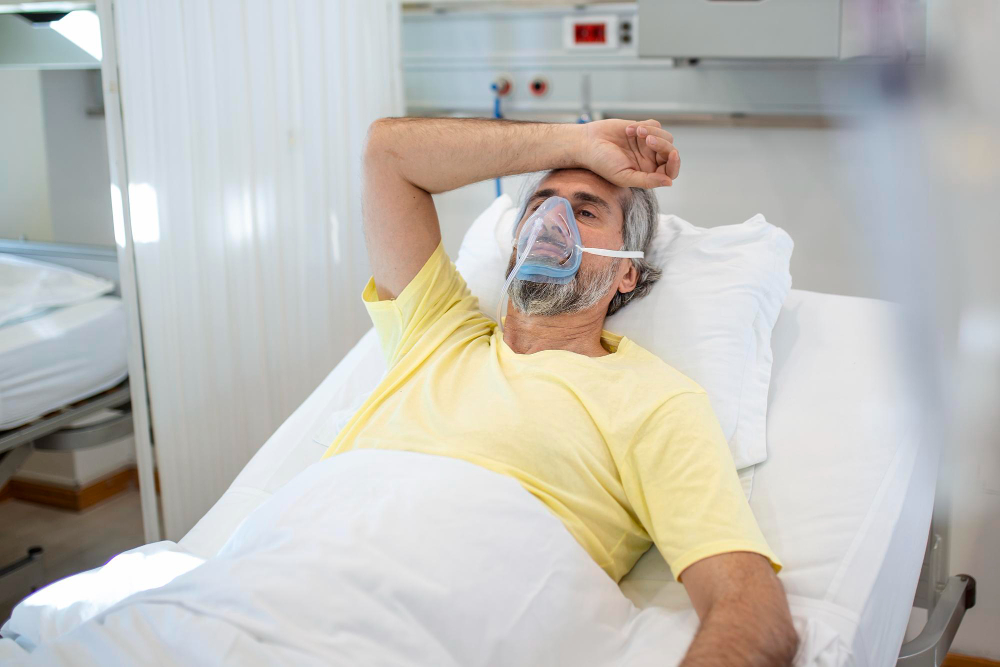
Pneumonia is a common lung infection that can affect people of all ages. It happens when germs, such as bacteria or viruses, cause the air sacs in the lungs to fill with fluid. Because pneumonia can be serious, especially for young children, older adults, and people with weak immune systems, it is important to know the signs and ways to prevent it. In this blog, you will learn about pneumonia symptoms, causes, diagnosis, treatment, and prevention. Understanding these facts can help you stay healthy and seek care when needed.
What is Pneumonia?
Pneumonia is an infection that affects one or both lungs. It causes the tiny air sacs in the lungs, called alveoli, to fill with fluid or pus. As a result, breathing can become hard, and the body may not get enough oxygen. Anyone can get pneumonia, but it is more common in young children, older adults, and people with other health problems. Often, pneumonia starts after a cold or the flu, but it can also happen on its own.
Symptoms of Pneumonia
Pneumonia symptoms can range from mild to severe. Sometimes, they develop quickly. Other times, they appear slowly. Watch for these common signs:
If you notice these symptoms, especially if they get worse, you should see a doctor. Early treatment can help prevent serious problems.
Causes and Risk Factors
Pneumonia can be caused by different germs. The main types are:
Some people have a higher risk of getting pneumonia. For example, those who:
Because these factors increase risk, it is important to take extra care if you or a loved one falls into these groups.
How is Pneumonia Diagnosed?
Doctors use several methods to diagnose pneumonia. First, they ask about your symptoms and listen to your lungs with a stethoscope. Often, they may hear crackling or bubbling sounds. Next, they might order a chest X-ray to look for infection in the lungs. Sometimes, doctors ask for a blood test or a sample of mucus from your cough. These tests help find out what type of germ is causing the infection. Early diagnosis helps doctors choose the best treatment for you.
Treatment Options
Pneumonia treatment depends on the cause and how sick you are. Most people can recover at home, but some may need hospital care. Common treatments include:
Because pneumonia can get worse quickly, always follow your doctor’s advice and finish all prescribed medicines.
Prevention Tips
There are many ways to lower your risk of getting pneumonia. Here are some helpful tips:
By following these steps, you can help protect yourself and your loved ones from lung infections.
Living with Pneumonia
Recovery from pneumonia can take time. Even after symptoms improve, you may feel tired for weeks. To help your body heal:
Because pneumonia can be serious, it is important to take care of yourself during recovery. If you have trouble breathing, chest pain, or a high fever, seek medical help right away.
In summary, knowing the symptoms, causes, and ways to prevent pneumonia can help you stay healthy. Consult Dr. Manohar Kumar (Pulmonologist) or a healthcare professional at Hari Om Chest Clinic for personalized advice about pneumonia.